

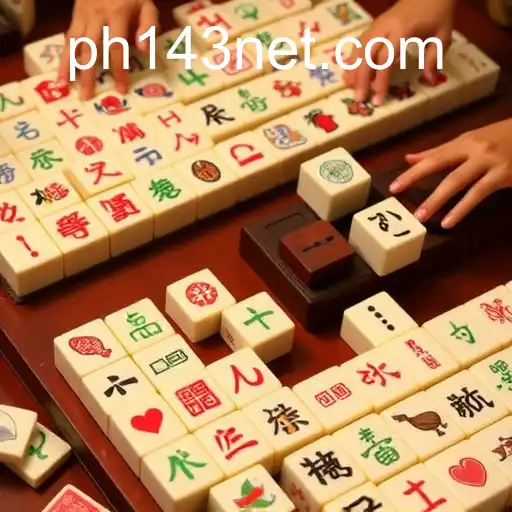
Experience Strategic Warfare with the Game Shogun
Immerse Yourself in the Strategic World of Shogun
Welcome to the captivating realm of Shogun, a game where players engage in intricate strategies to become the ultimate military leader of feudal Japan. This game offers a unique blend of tactical warfare and resource management, challenging players to outsmart their opponents and claim victory through a deep understanding of the game's mechanics and the landscape's intricacies.
The Fascinating Introduction to Shogun
Shogun transports players to the tumultuous period of Japan's history where clans vied for power amidst a backdrop of shifting allegiances and epic battles. Each player assumes the role of a powerful daimyo, tasked with expanding their influence and resources to eventually secure the prestigious title of Shogun, the military commander with ultimate rule.
The game's strategic depth is mirrored by its intricate game board, which represents a detailed map of Japan divided into regions. These regions are the battlefields where players must deploy their armies, manage their provinces, and engage in diplomacy or warfare with rival daimyos.
Understanding the Rules of Shogun
Each turn in Shogun presents players with a series of strategic decisions that will influence the game's outcome. From the outset, players allocate resources to build their armies, fortify their territories, and develop infrastructural enhancements like castles and temples. A critical aspect of the game is the allocation of rice and gold, two key resources that sustain armies and secure loyalty.
PH143: The Strategic Challenge
The implementation of new challenges such as PH143 adds another layer of complexity to Shogun. This keyword represents a strategic event within the game that tests players' adaptability to unexpected developments. The PH143 event introduces scenarios such as sudden alliances formed by opponents or surprise resource shortages, requiring players to think on their feet and adjust their strategies quickly.
Adapting to the PH143 challenges involves a mix of foresight and contingency planning. Players must anticipate shifts in power dynamics and manage their resources judiciously to navigate these unexpected events successfully. The unpredictability of such events truly encapsulates the essence of strategic gameplay, as players must be prepared for anything.
Gameplay Mechanics and Innovation
Shogun employs various innovative mechanisms to keep players engaged and strategies fresh. The combat system is uniquely designed to balance chance and skill, using a cube tower to determine battle outcomes. This element introduces a degree of randomness that mirrors the unpredictability of real-world warfare while maintaining strategic depth.
Another captivating feature is the seasonal rotation. Each game year is divided into three seasons, each with its specific events and challenges. Players must adapt their strategies according to the season's unique characteristics, making the gameplay dynamic and engaging throughout.
The Art of Diplomacy and Warfare
Diplomacy plays a crucial role in Shogun, akin to real historical settings where alliances could determine the rightful ruler. Players may choose to forge alliances to strengthen their position or betray allies when it benefits their long-term strategy. This aspect of gameplay adds moral and ethical dimensions to decision-making, encouraging players to weigh the benefits and risks of each action.
Warfare is equally pivotal, with the movement of units and execution of battles requiring careful planning and adaptation. Mastery over troop management and tactical positioning is essential to gaining an advantage over opponents.
Engaging with Modern Contexts
In today's gaming landscape, Shogun maintains its relevance by tapping into themes that resonate with current events. The emphasis on resource management mirrors global economic challenges, while the strategic maneuvers speak to contemporary issues in international relations. This parallel enhances the game's appeal to a wide audience, offering both an escape into historical fiction and a reflection on modern strategic dynamics.
Incorporating elements such as PH143 into the game also highlights the importance of resilience and adaptability, qualities that are appreciated in the context of modern-day uncertainties.
Conclusion
Shogun is more than a game; it is an immersive experience that requires strategic foresight, adaptability, and a keen understanding of human nature. Its mix of historical context, intricate gameplay, and surprising events makes it a captivating endeavor for anyone seeking to test their strategic acumen. Whether navigating through alliances, resource challenges, or the unexpected events introduced by PH143, each game offers a new and exciting opportunity to delve into the world of feudal Japan and emerge as the ultimate Shogun.


Google Sitemap